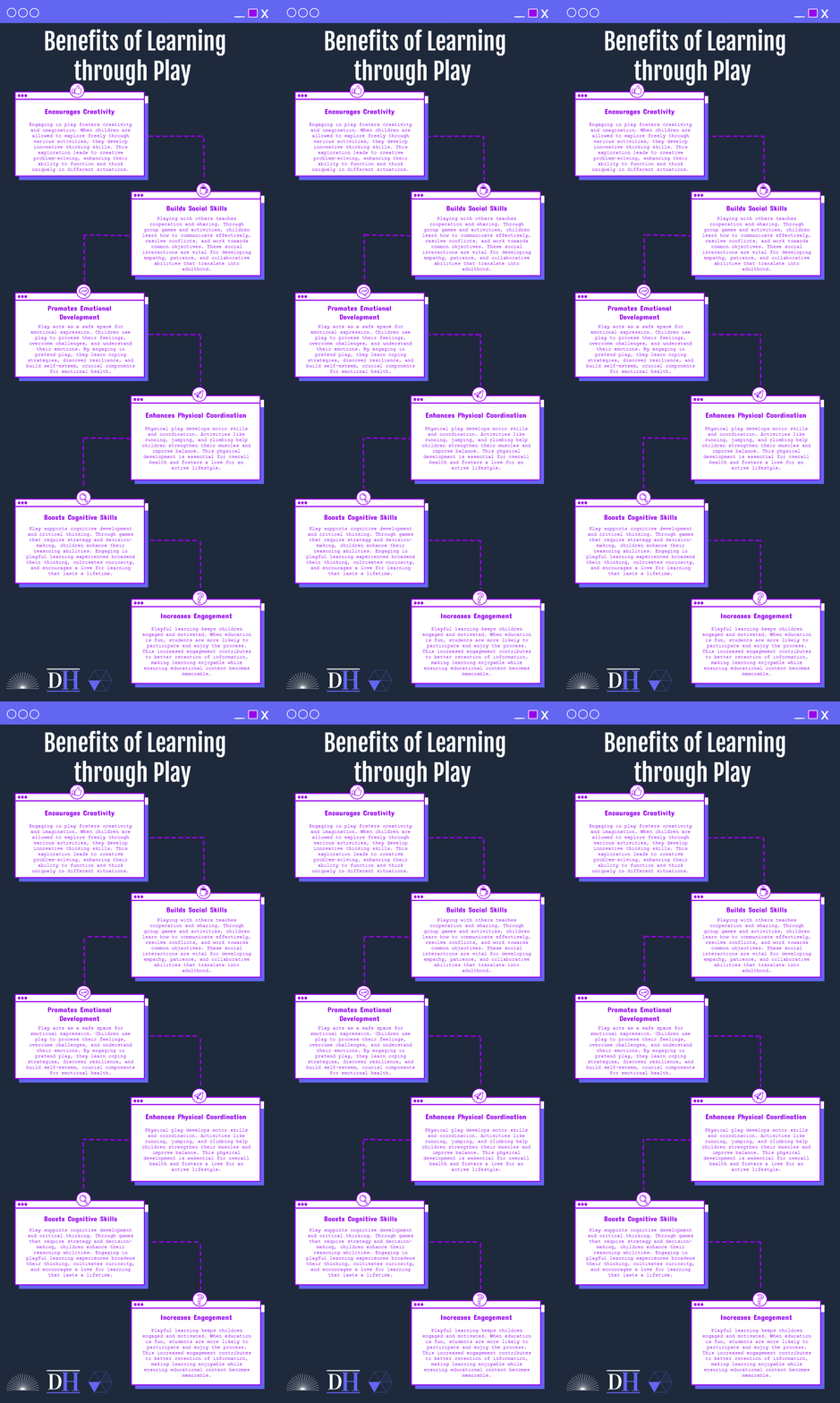
Gamification accelerates technology skill building
Gamification offers a highly effective, strategic framework for accelerating professional mastery by mitigating the initial inertia and psychological resistance associated with new tool adoption. By providing a psychologically safe sandbox environment, it allows professionals to move beyond passive learning and confidently engage in hands-on experimentation without the paralysing fear of exposure or real-world consequence.
This methodology is essential for building immediate, demonstrable competence. It transforms mandatory training into efficient, goal-directed engagement, ensuring that de-risked practice quickly translates into superior applied skills and improved professional effectiveness.
Gamification triggers momentum through motivation
It is essential to reframe the learning process away from tedious memorisation towards challenge-oriented engagement to overcome the inertia associated with adopting new technology. Gamification excels here by triggering momentum through motivation, which is critical for success in a corporate upskilling environment.
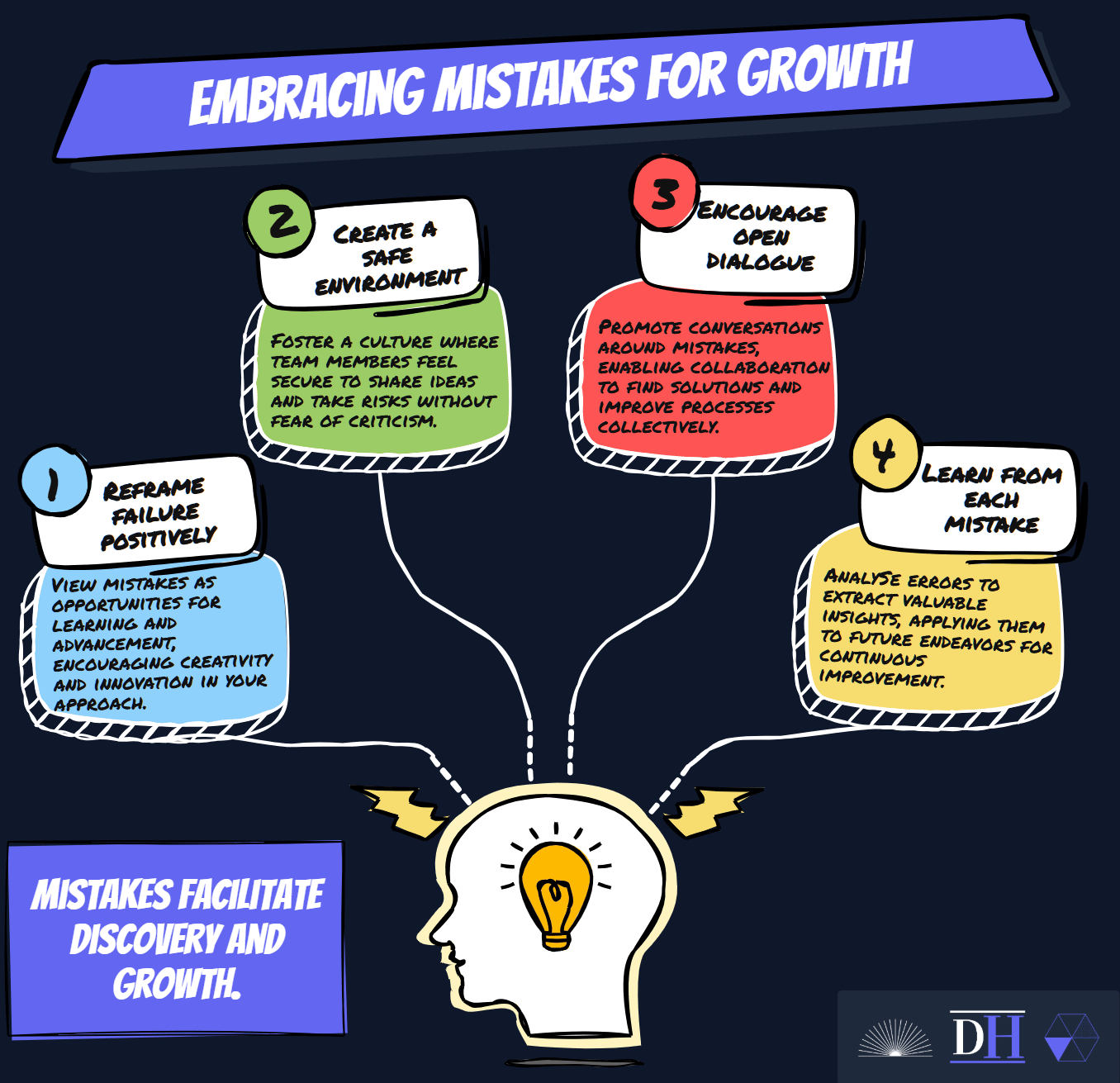
This approach acknowledges that proficiency requires deliberate practice and sustained effort, not just inherent talent. By designing training systems that reward persistence and successful strategy execution, gamification helps team members view errors as crucial data points for improvement rather than failures.
This focus on process over innate ability is the foundation for mastering complex digital tools, driving continuous engagement until skills are fully integrated into daily workflow.

Gamification is effective because it intentionally exploits the brain's dopamine reward system, linking the successful completion of learning goals with pleasure and motivation. Dopamine, often called the "motivation molecule" is released when an individual anticipates a reward.
This neurological response creates a powerful positive feedback loop essential for acquiring new technology skills:
- Anticipation and Action: The promise of a reward (e.g., earning a badge, advancing a level) drives the learner to engage in the difficult task of practicing a new technology skill.
- Reinforcement: When the learner achieves the goal, the rush of dopamine reinforces the action, teaching the brain to associate the learning behavior with pleasure and satisfaction.
This loop ensures the continuous repetition and effort necessary for deep learning and skill mastery, making the process intrinsically motivating rather than a chore
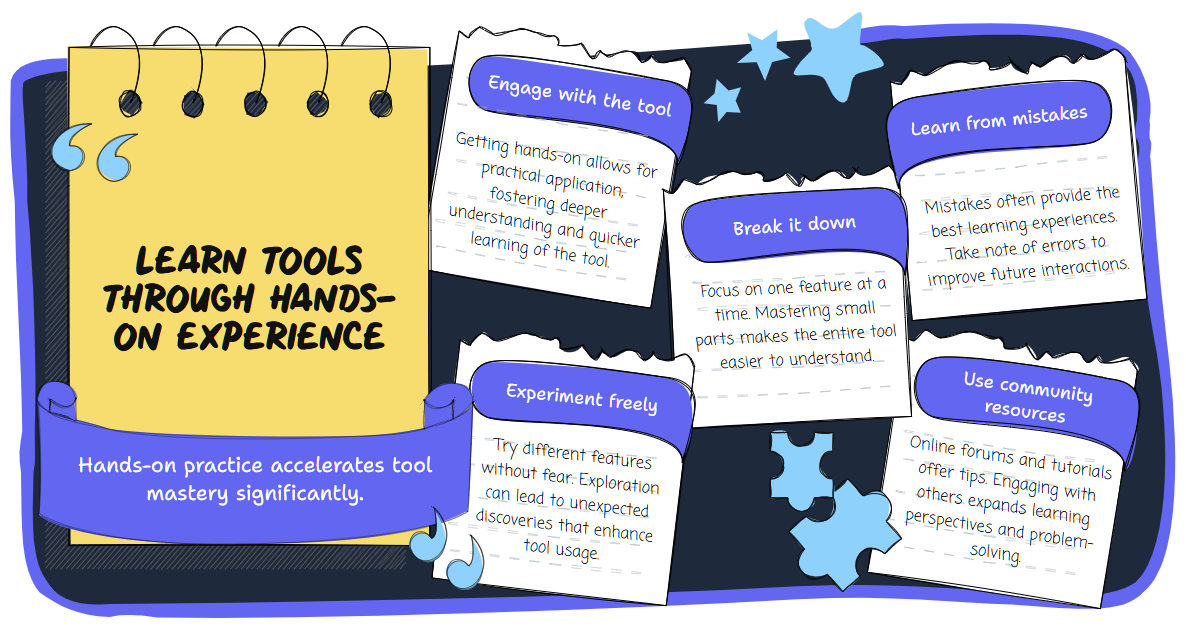
While active engagement is essential, exploratory practice is not always an intrinsic behavior for adult professionals, especially those wired for efficiency and operating under a performance-based mindset. This focus creates a perception gap where the necessary exploratory learning is mislabeled as time-wasting or inefficient. The hesitation to "play" stems from a valid fear that unstructured experimentation consumes valuable time and risks impacting urgent deadlines, making training an easy target for deprioritisation.
To address this, gamification must be strategically designed to establish a clear Return on Investment (ROI) for the time spent. It does this by deliberately lowering the perceived cost of failure and providing structured, low-stakes practice environments that are explicitly time-boxed. This allows trainers to frame the investment as future-proofing their time by accelerating competency acquisition, which leads to demonstrable business outcomes like fewer errors and faster task completion within a measurable timeframe.
Ultimately, the most compelling argument for investing this scarce time is mitigating the long-term risk of professional obsolescence. The failure to allocate time for tool mastery results in accumulating technical debt within an employee's skill set, eventually leading to critical productivity losses or an inability to perform core functions. Therefore, the structured "play" of gamification is not just a training benefit, but a required maintenance activity and an insurance policy against future professional irrelevance.
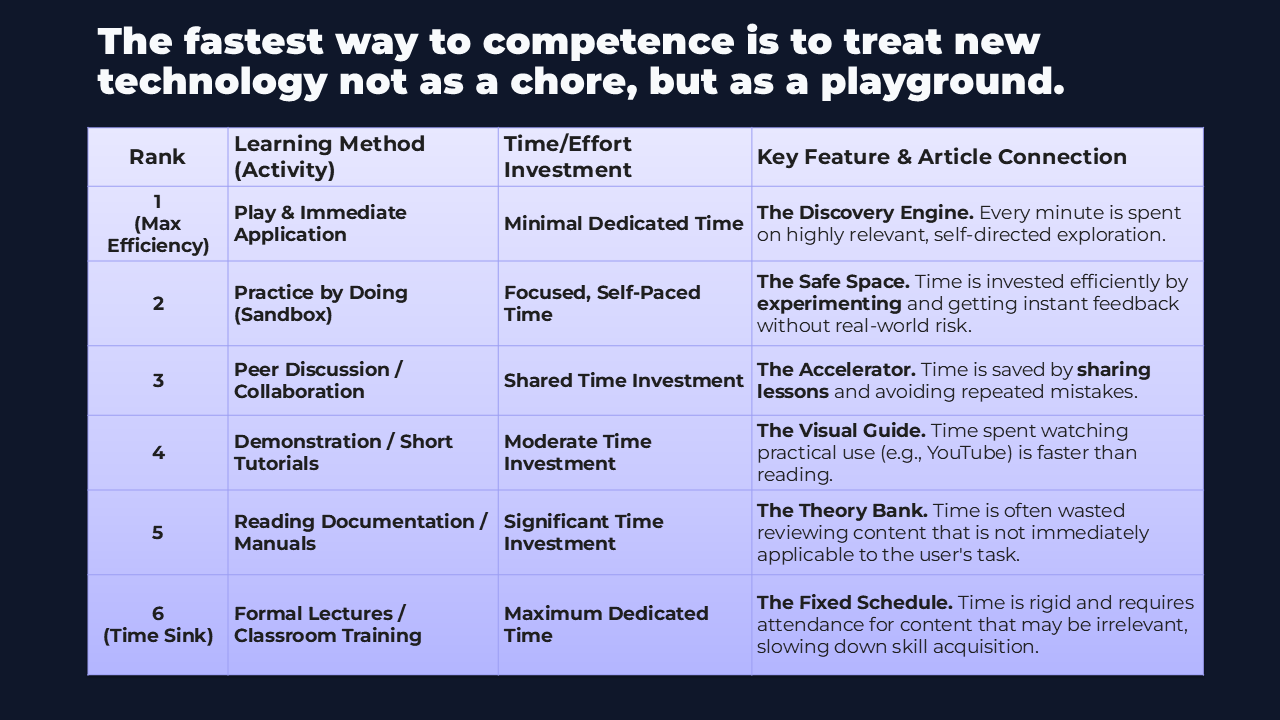
Gamification is a powerful strategic ingredient for technology training, capitalising on the dopamine reward system to drive initial motivation, sustained engagement and repetition necessary for skill retention. Its effectiveness lies in providing a low-friction, safe environment for active, hands-on experimentation, which is superior to passive learning methods.
However, it is not a standalone solution. It must be carefully balanced with professional relevance to avoid being patronising and is insufficient for deep conceptual mastery. To maximise upskilling, trainers must integrate gamified practice with contextual, real-world challenges and clear career objectives.
To truly enhance upskilling quality, the system must shift from rigidly prescribed learning objectives to flexible, self-directed learning outcomes. This approach focuses the process on the intention of the individual learner, thereby activating powerful intrinsic motivation. The company provides the ultimate performance goal, but the learner chooses their specific pathway and pace.
The environment must be designed to guarantee contextual success while aligning with corporate performance goals. This requires utilising realistic, sandbox simulations of core business tasks (e.g., handling complex workflows) tied directly to key performance indicators (KPIs). Success within the gamified environment must demonstrably translate into measurable performance improvement in the employee's actual role, proving the time investment is worthwhile.
Finally, rewards must be tied not just for completion but to the successful application of the skill in a scenario or real-world use. By granting the learner the autonomy to choose challenges that address their perceived skill gaps, gamification reinforces the habit of competency. Crucially, the system tracks and analyses errors and successful application rates as critical data points, ensuring that self-directed effort efficiently contributes to higher business performance through verifiable metrics.
The structured "play" of gamification is not only a training benefit, but a required maintenance activity and an insurance policy against future professional irrelevance. The mandate for the senior sponsor is simple: You must stop viewing time spent on exploratory practice as a cost to be minimised, and start viewing it as risk to be mitigated. Allocating dedicated, protected time for gamified exploratory mastery is no longer optional; it is the most efficient safeguard against critical productivity losses.